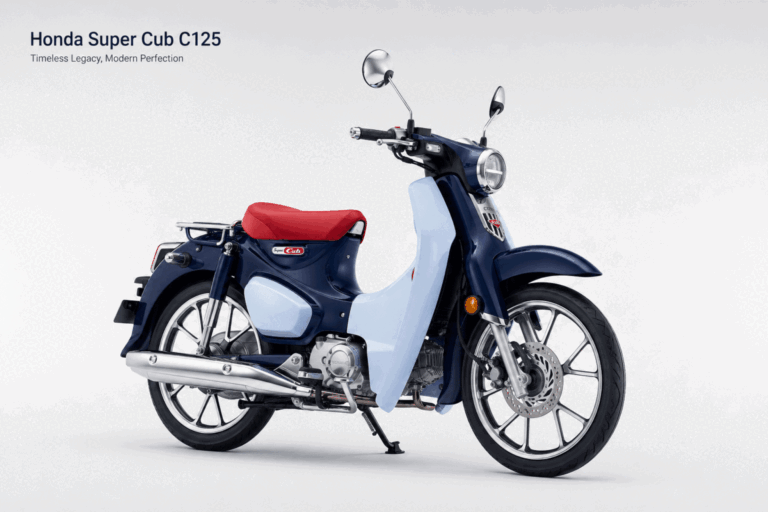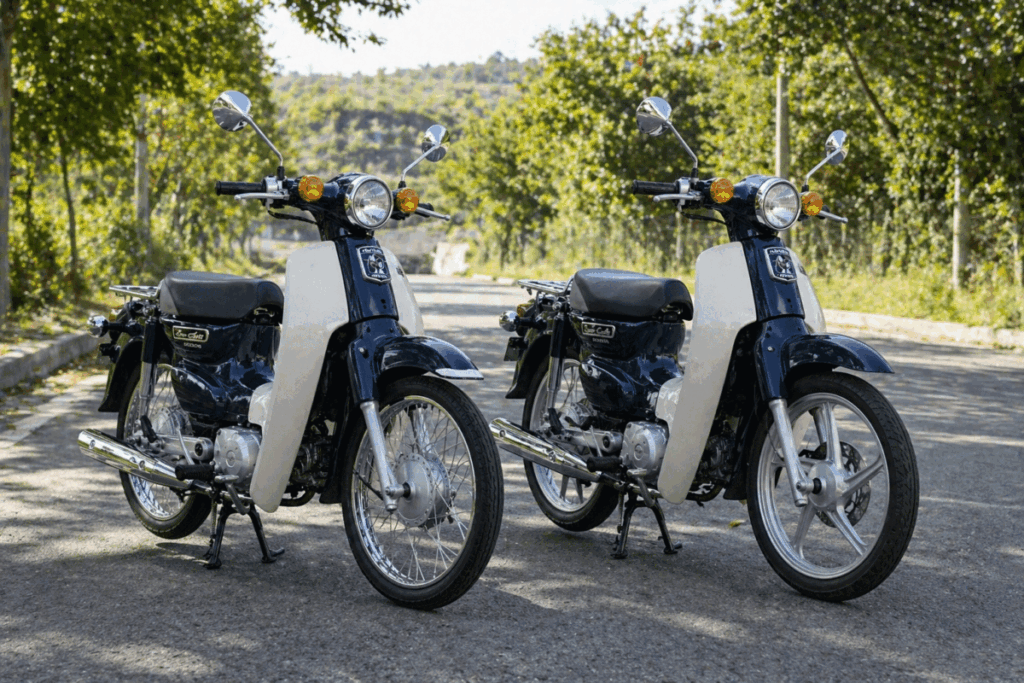
Most Super Cub spoke wheels riders know what their bike looks like — but fewer understand why the wheel type matters until something goes wrong on the road.
Spoke wheels and cast wheels aren’t just a visual difference. They determine what type of tire your bike uses, how you handle a flat, whether a roadside shop can help you, and what tools you need to carry. If you ride long distances or tour on your Super Cub, understanding this difference before you need it is worth the time it takes to read.
What’s the Actual Difference Between Spoke and Cast Wheels
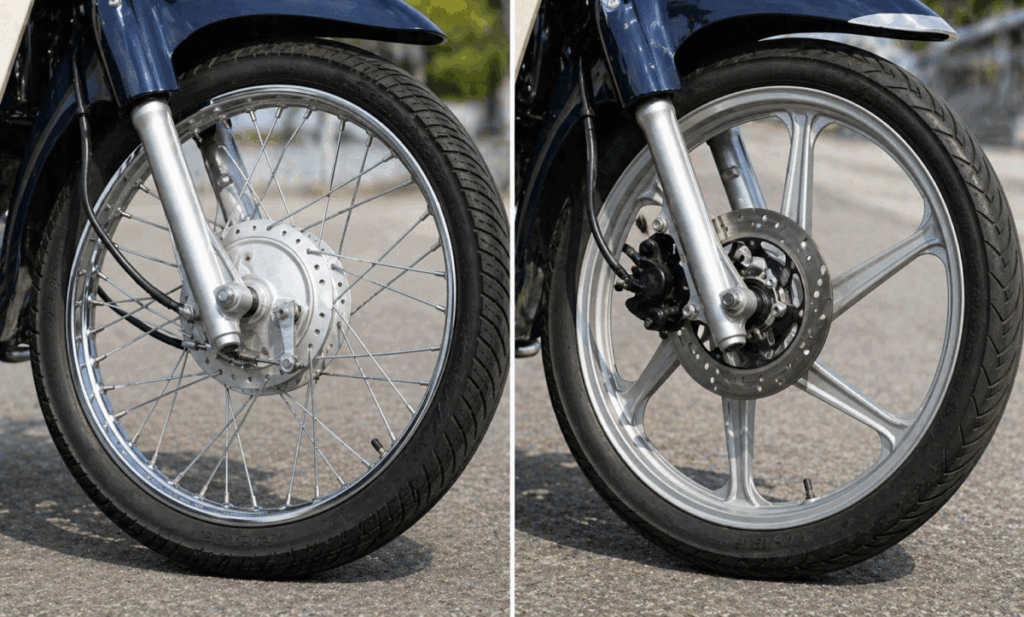
Spoke wheels use a central hub connected to the rim by multiple individual metal spokes. The structure is flexible, which helps absorb impact, and it’s been the standard on the Super Cub for most of its production history. The classic look that defines the Super Cub silhouette comes largely from this wheel design.
The structural characteristic that matters most for maintenance: spoke wheels cannot maintain an airtight seal between the rim and tire. Air passes through the spoke nipple holes in the rim. This means spoke wheel motorcycles must run tube-type tires — a separate inner tube sits inside the tire and holds the air pressure.
Cast wheels are manufactured as a single piece of metal, typically aluminum alloy, pressed or cast into shape. There are no holes for spoke nipples, which means the rim can form a complete seal with the tire. This allows cast wheel motorcycles to run tubeless tires — no inner tube required.
That single structural difference creates a chain of consequences that affects everything from flat repair to the tools you carry.
Spoke Wheels: Advantages and Disadvantages
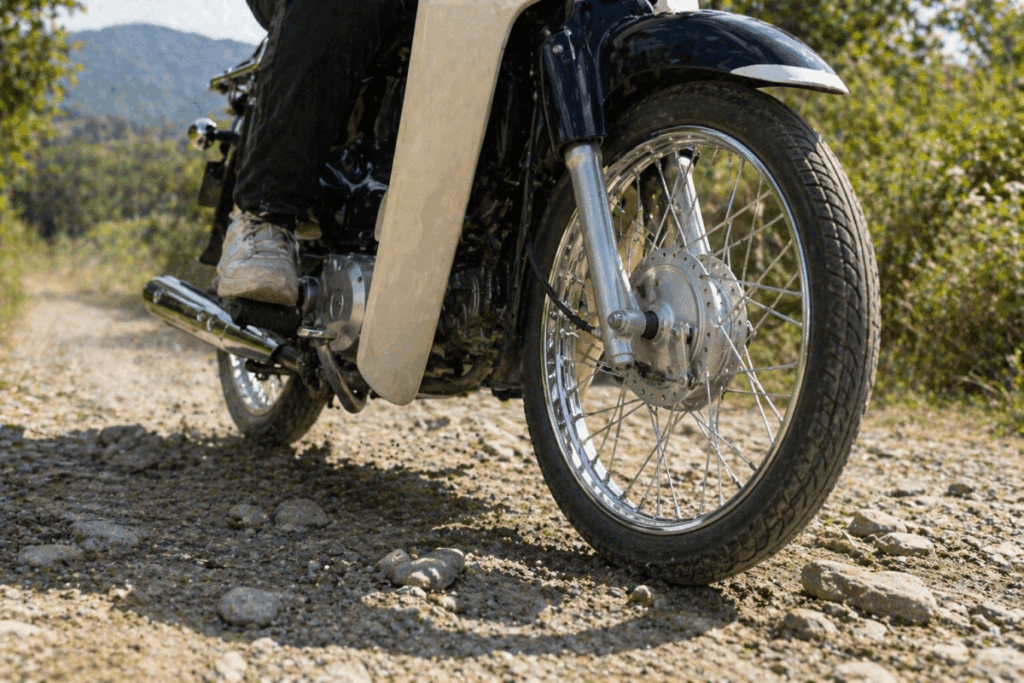
The case for spoke wheels starts with compliance. The individual spokes can flex slightly under load, distributing impact across the structure rather than transmitting it directly to the rim. On rough roads, gravel, or uneven pavement, this gives spoke wheels a noticeable advantage in absorbing vibration and shock. For a bike like the Super Cub that gets ridden across varied terrain and road conditions, this is a meaningful characteristic.
Spoke wheels are also repairable in ways cast wheels aren’t. If a spoke breaks or the wheel goes out of true, individual spokes can be replaced and the wheel can be re-trued. Cast wheel damage is generally more severe — a cracked or significantly bent cast wheel usually means replacement rather than repair.
The disadvantage is the tube tire requirement. When a tube tire goes flat, the repair process is fundamentally different from what most roadside shops handle routinely. The plug repair that works on tubeless tires cannot be applied to a tube. The tube has to come out, be patched or replaced, and go back in. Many general tire shops don’t stock tubes for motorcycle sizes or don’t offer tube repair service. On a touring ride, this can leave you in a difficult position if you haven’t prepared for it.
What This Means for Flat Repair
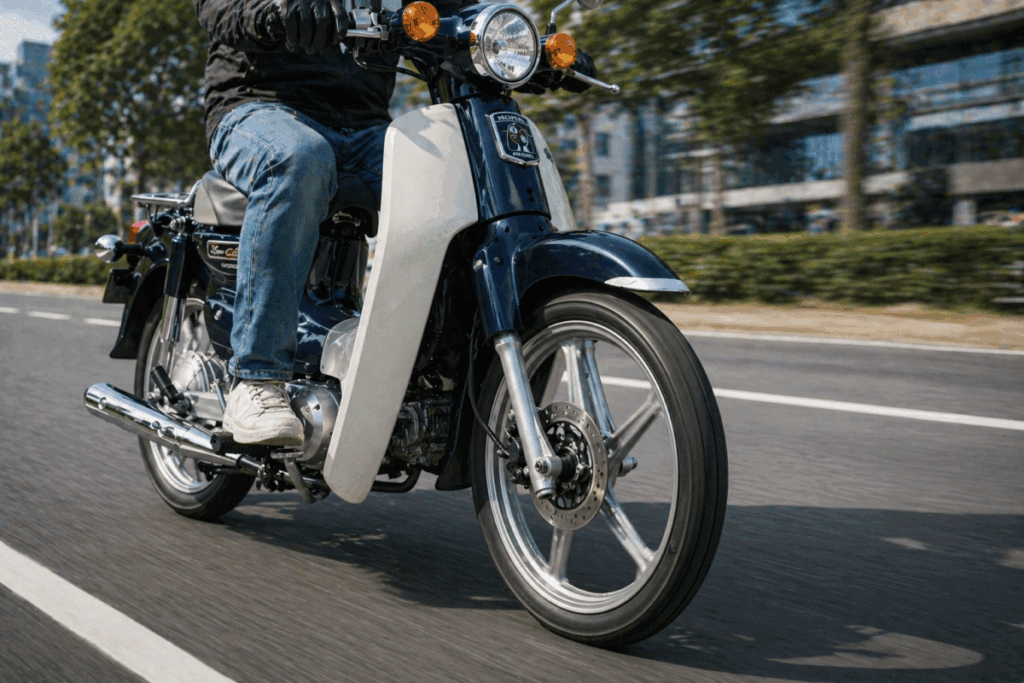
For Super Cub spoke wheels with tube tires, the flat repair process is fundamentally different from what most roadside shops handle routinely.
This is the practical point that matters most on the road.
If your Super Cub runs a cast wheel with a tubeless tire, a flat is manageable. Most fuel stations and tire shops carry plug repair kits. The repair takes less than fifteen minutes and doesn’t require removing the wheel.
If your Super Cub runs spoke wheels with tube tires, the situation is different. Plug repair doesn’t apply. Getting the tube out requires removing the wheel, breaking the tire bead away from the rim, and working the tire off the rim with tire levers. The tube then needs to be patched or replaced before everything goes back together and the tire is re-inflated.
This isn’t impossible to do roadside, but it requires the right tools and some familiarity with the process. It’s also a repair that many general shops won’t perform, which means your options depend on finding a shop that works with tube tires — or doing it yourself.
The Tool Difference
For wheel removal on either type, the key size is 17mm. The axle nut on the Super Cub takes a 17mm socket, and without it you can’t remove the wheel at all. This applies regardless of wheel type.
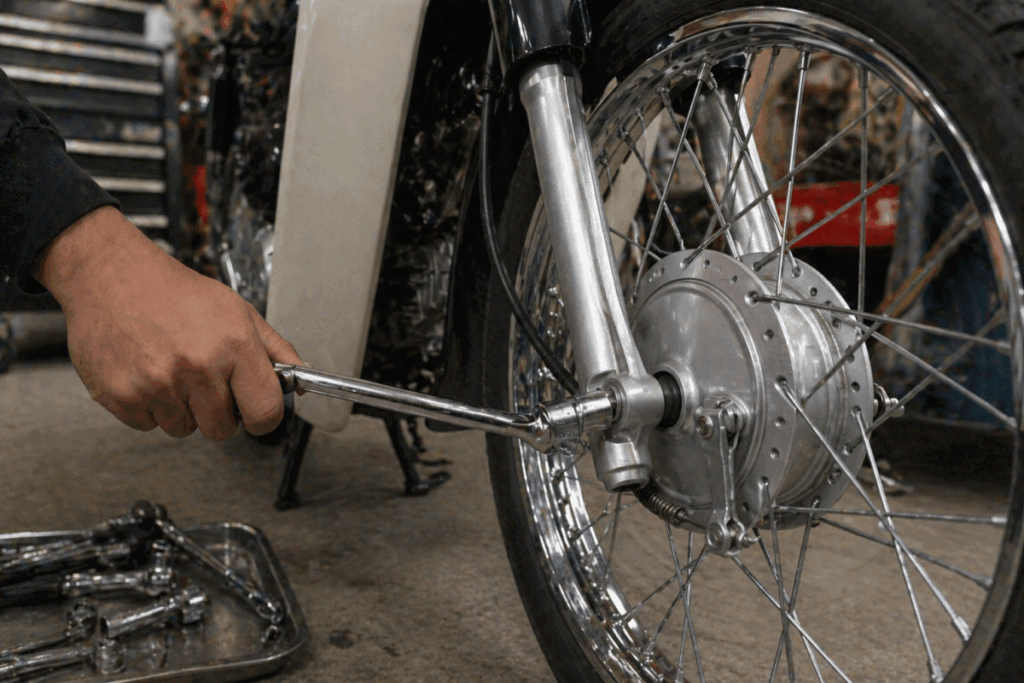
Beyond the 17mm socket, spoke wheel riders carrying tools for roadside flat repair need a few additional items that cast wheel riders don’t. Tire levers are required to remove the tire from the rim — working a tight tire off by hand isn’t realistic. A patch kit or spare tube covers the actual repair.
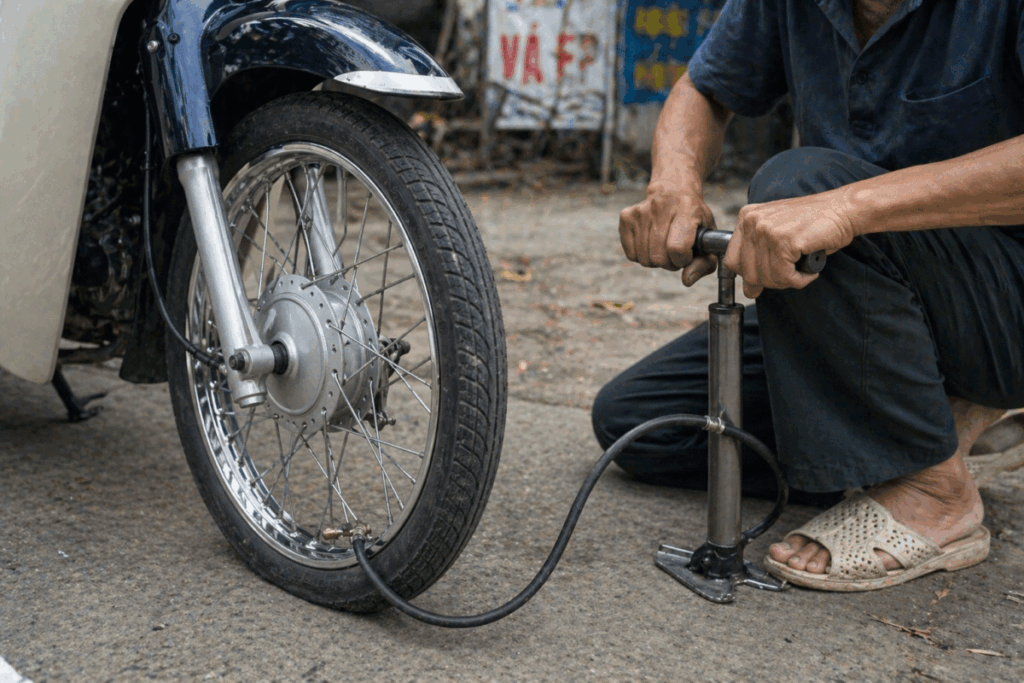
For inflation after a tube repair, a manual pump is more practical for touring than a battery-powered compressor. There’s no charging requirement, no battery to fail, and the weight and size are manageable. For a spoke wheel Super Cub rider doing any significant distance riding, a compact manual pump is worth carrying.
How to Tell Which Wheel Your Super Cub Has
Look at the wheel from the side. If you can see individual metal spokes running from the center hub out to the rim — it’s a spoke wheel. If the wheel appears to be one solid piece of metal with no visible spokes — it’s a cast wheel.
If you’re still unsure, check your tire sidewall. Tube-type tires are marked “TUBE TYPE” on the sidewall. Tubeless tires are marked “TUBELESS.” This tells you definitively which system your bike is running.
Frequently Asked Questions
Q. Can I convert my spoke wheel Super Cub to run tubeless tires?
Not through a simple swap. Some riders use tubeless rim tape and tubeless-compatible valves to attempt a conversion on spoke wheels, but this is generally not recommended by manufacturers and the results are inconsistent. The spoke nipple holes in the rim make a reliable seal difficult to achieve.
Q. Which wheel type is better for the Super Cub?
It depends on how you ride. For rough terrain, long-distance touring on varied roads, or anywhere tube repair is manageable, spoke wheels offer better compliance and durability under impact. For urban commuting and paved roads where flat repair convenience matters more, cast wheels simplify maintenance significantly.
Q. How often do spoke wheels need maintenance that cast wheels don’t?
Spoke tension should be checked periodically — typically every few thousand kilometers or after any significant rough road riding. Loose spokes can cause the wheel to go out of true, which affects handling and can accelerate spoke fatigue. Cast wheels don’t require this type of maintenance.
Q. What tools do I need to carry for a spoke wheel flat repair?
At minimum: a 17mm socket for axle removal, tire levers to remove the tire from the rim, a patch kit or spare tube, and a manual pump to re-inflate after repair. This kit fits in a small bag and covers most roadside flat scenarios.
The Bottom Line
Spoke wheels and cast wheels are different tools for different riding situations. The Super Cub has been built with both across its production history, and both have legitimate reasons for existing on the same platform.
What matters practically is knowing which one you have, understanding what it means for how you handle a flat, and carrying the right tools for your wheel type before you need them. The time to figure this out is before you’re standing on the side of a road trying to work it out from scratch.
If you’re setting up a maintenance kit for your Super Cub, the tools needed for wheel work are covered in more detail here.