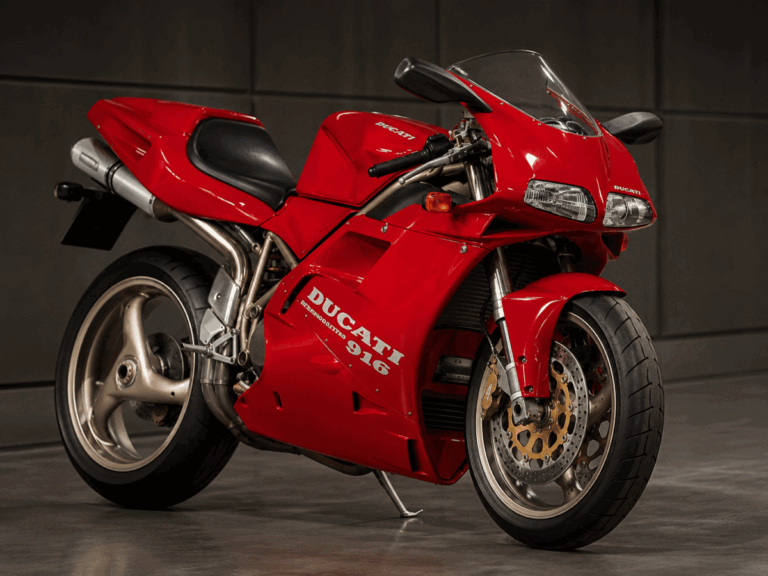
Choosing the right motorcycle types for beginners can be overwhelming. Walk into any dealership as a first-timer and you’ll face dozens of bikes with unfamiliar names: naked, cruiser, sport, dual-sport, touring. The terminology alone is foreign.
So most people either pick “the one that looks cool” or buy whatever a friend recommended. Then, a few months later, they realize something.
“This isn’t what I wanted.”
When choosing your first motorcycle, the most important decision isn’t the model — it’s understanding motorcycle types for beginners and which genre fits your needs.
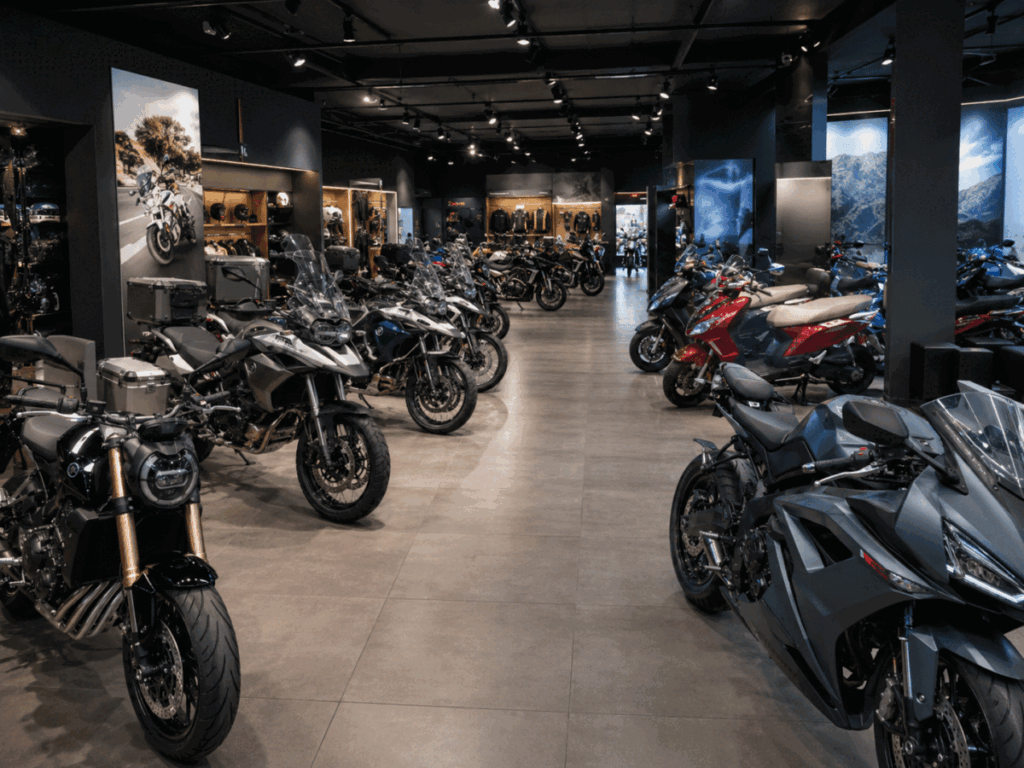
When choosing your first motorcycle, the most important decision isn’t the model — it’s the genre.
Once you understand the genre, picking a specific model becomes much easier. Understanding which genre fits your intended use and body type first, then choosing a model within that category, dramatically reduces the chance of buyer’s remorse.
This guide breaks down each motorcycle genre from a beginner’s perspective: what it is, why it works (or doesn’t) for new riders, and who should choose it.
Three Questions to Answer Before Choosing a Genre
Before looking at specific genres, answer these three questions.
What’s Your Primary Use?
Daily Commuting (Under 25 miles round trip)
A bike you ride every day needs to be comfortable. Choose a genre with an upright riding position, light weight, and good fuel economy.
Recommended genres: Naked/Standard, Scooter, Cruiser
Weekend Touring (60+ miles)
For long-distance rides, you need highway-capable displacement, wind protection, and a comfortable seat.
Recommended genres: Naked/Standard, Dual-Sport
Urban Cruising (Coffee Shop Runs)
If you want to ride short distances leisurely, take photos, and look good doing it, prioritize aesthetics and ease of handling.
Recommended genres: Cruiser, Classic, Scooter
What’s Your Body Type?
Height Under 5’5″ (165cm)
You need a low seat height. If your feet can’t touch the ground, you risk dropping the bike at stoplights.
Recommended genres: Cruiser (seat height 25-29 inches / 650-750mm)
Height Over 5’9″ (175cm)
You can ride most bikes comfortably. Seat height is less of a concern.
Selection range: All genres work
Smaller Riders
Both seat height and weight matter. Bikes over 440 lbs (200kg) are difficult to pick up alone if dropped.
Recommended: Under 400 lbs (180kg), seat height under 31 inches (800mm)
How Often Will You Ride?
3 Times Per Week or Less (Hobby)
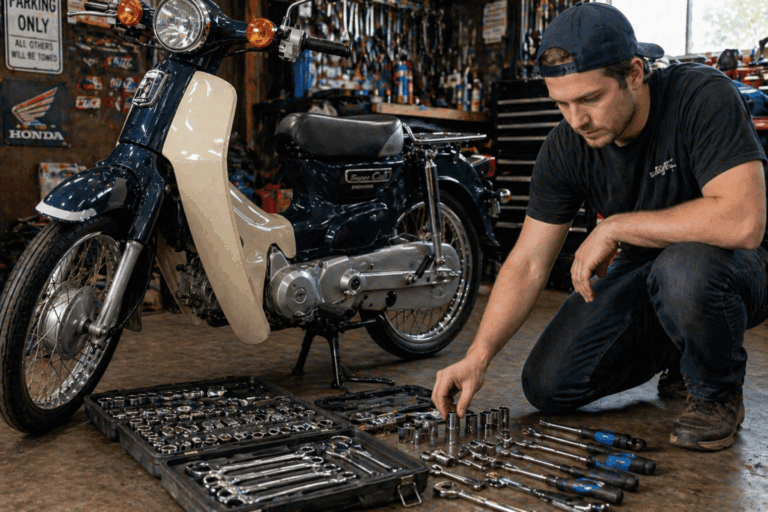
Bikes ridden occasionally should be simple to maintain. Complex electronics and premium components become a burden rather than a benefit.
Recommended: Simple construction (Naked, Scooter)
5+ Times Per Week (Commuting)
Daily riders need durability and fuel economy. Japanese manufacturers (Honda, Yamaha, Suzuki, Kawasaki) are recommended for reliability.
Recommended: Proven models, wide service networks
Top 4 Beginner-Friendly Genres
Understanding motorcycle types for beginners means knowing which genres are forgiving for new riders. Here are the top 4 beginner-friendly categories:
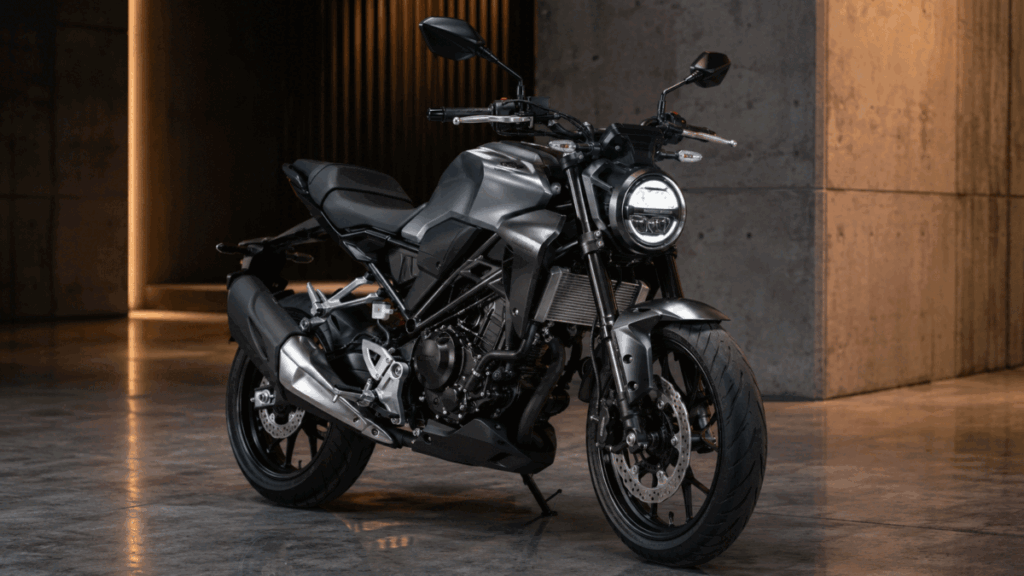
Naked / Standard
What Is It?
A motorcycle with no fairings (wind protection). Often called “the purest form of motorcycling.” The engine and frame are fully exposed — hence the name “naked.”
Why Is It Good for Beginners?
Comfortable Riding Position
Handlebars are high and footpegs are centered, keeping your wrists and back comfortable. You don’t lean forward like on a sport bike.
Light Weight
Most weigh 330-400 lbs (150-180kg). Easy to support at stoplights and easy to pick up if dropped.
Low Seat Height
Typically 29-31 inches (750-800mm). If you’re over 5’7″ (170cm), both feet touch the ground.
Low Repair Costs
No fairings means fewer parts to replace if you drop it. Exposed engine makes maintenance easier.
Downsides?
No Wind Protection on Highways
Above 60 mph (100 km/h), you’re taking the wind directly. Long highway rides can be tiring.
Plain Design
Minimalist aesthetics can look boring compared to flashy sport bikes.
Recommended Models:
Honda CB300R, Yamaha MT-03, KTM Duke 390, Triumph Street Triple (for larger riders)
Best For:
Commuting + weekend backroad tours. The safest, most versatile choice for new riders.
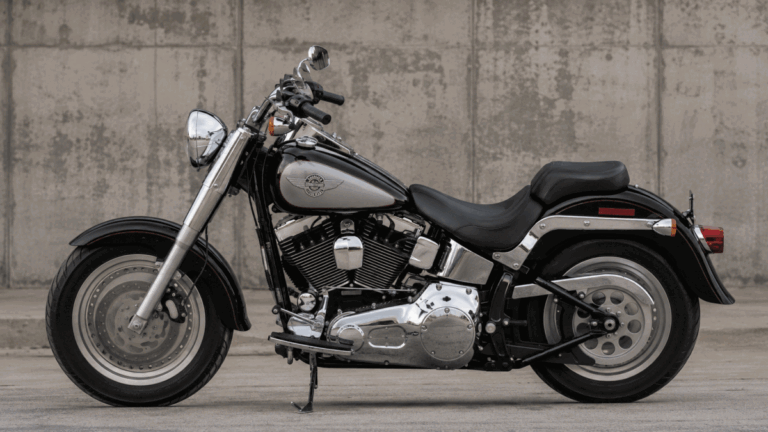
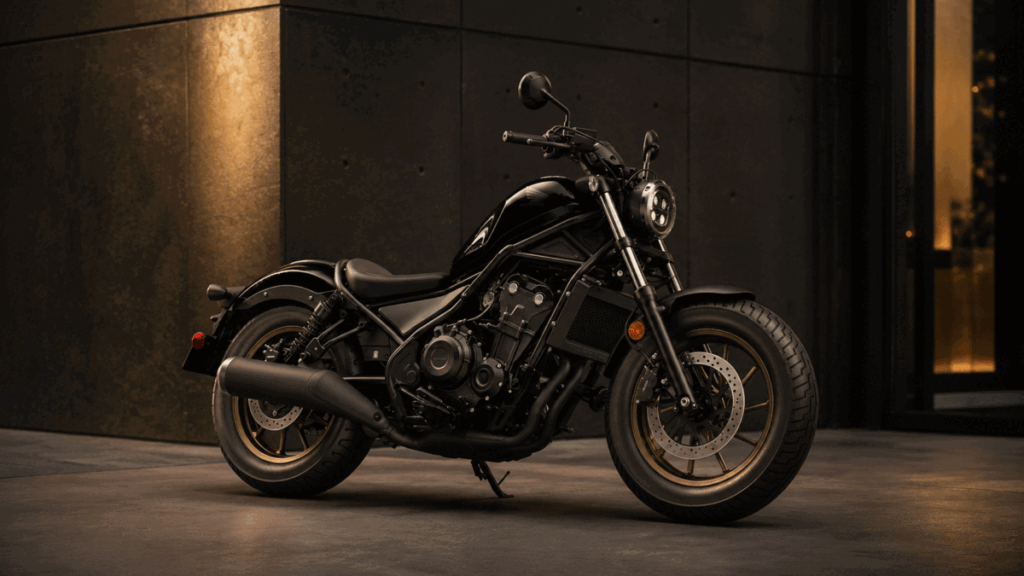
Cruiser
What Is It?
Defined by a low seat and reclined riding position. Think Harley-Davidson style. Built for “cruising” — relaxed, unhurried riding.
Why Is It Good for Beginners?
Lowest Seat Height
Typically 25-29 inches (650-750mm). Even riders under 5’4″ (160cm) can plant both feet flat.
Stable Foot Position
Forward footpegs provide stability at stoplights.
Strong Low-End Torque
Plenty of power at low RPMs makes starting easier. Forgives clutch mistakes.
Relaxed Riding Position
You lean back like sitting in a chair. Hours in the saddle won’t hurt your lower back.
Downsides?
Heavy
Over 440 lbs (200kg). Difficult to pick up if dropped, and hard to push around parking lots.
Poor Cornering
Low ground clearance means footpegs can scrape in turns.
Uncomfortable at High Speeds
Not optimized for high RPMs; highway cruising is tiring.
Recommended Models:
Honda Rebel 500, Harley-Davidson Sportster S, Indian Scout Sixty, Royal Enfield Meteor 350
Best For:
Urban cruising + shorter riders. Perfect for coffee shop runs and relaxed weekend rides.
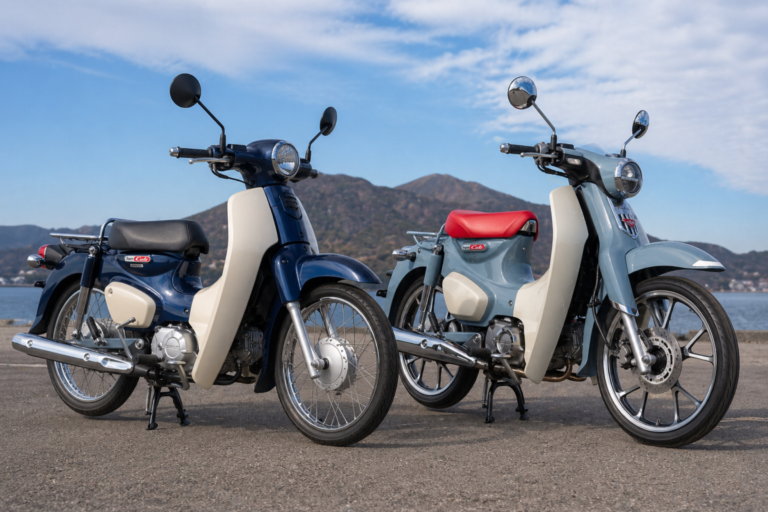
Scooter
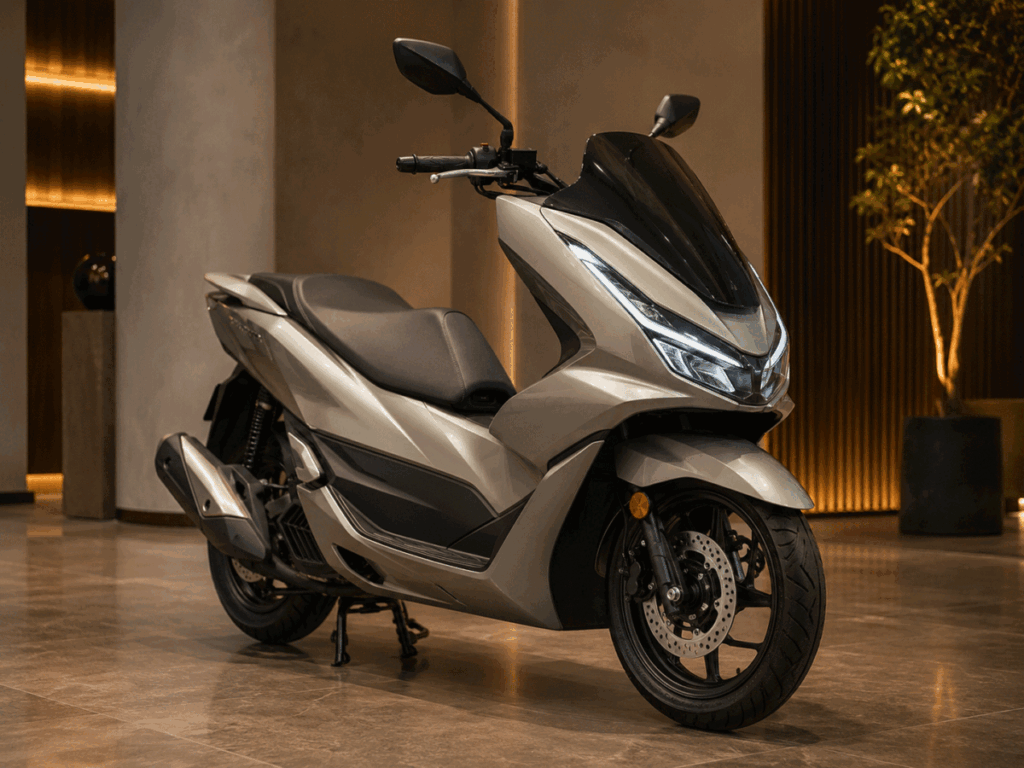
What Is It?
Automatic transmission with a footboard. Think Vespa or Honda PCX.
Why Is It Good for Beginners?
No Clutch Operation
Automatic transmission means you only handle throttle and brakes. No clutch lever.
Storage Space
Helmet fits under the seat, and front hooks hold bags.
Easiest to Operate
So simple you can transition from a bicycle with almost no learning curve.
Optimized for Commuting
Perfect for city traffic with frequent stops.
Downsides?
“Not a Real Motorcycle” Stigma
Some riders don’t consider scooters “real bikes.” If this bothers you, it’s a stress point.
Highway Limitations
Under 150cc scooters can’t handle highway speeds safely. Even 250cc+ scooters feel unstable at high speed.
Uncomfortable for Long Distances
Small wheels and short wheelbase make long rides fatiguing.
Recommended Models:
Vespa Primavera, Honda PCX, Yamaha NMAX
Best For:
Commuters who don’t want to practice clutch control. The easiest entry point into motorcycling.
Dual-Sport / Scrambler
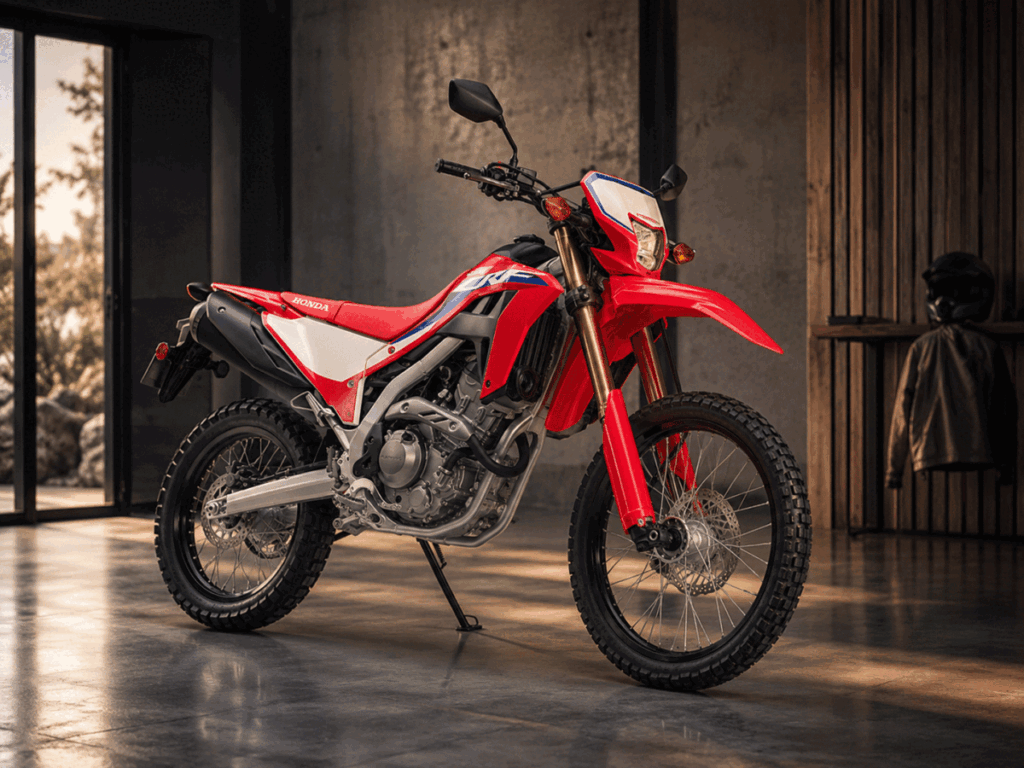
What Is It?
Street-legal bikes that can handle both pavement and dirt. Defined by high seat height and long-travel suspension.
Why Is It Good for Beginners?
High Seat Gives Better Vision
You can see over cars ahead, making city riding safer.
Light Weight
Typically 350-400 lbs (160-180kg). Easy to pick up if dropped.
Off-Road Capable
Weekend fire roads and camping trips are accessible.
Soft Suspension
Absorbs rough pavement and speed bumps smoothly.
Downsides?
High Seat
Over 33 inches (850mm). Riders under 5’7″ (170cm) struggle to touch the ground.
Highway Instability
Light weight and tall seat make the bike susceptible to crosswinds at speed.
Lower Fuel Economy
Long suspension travel and knobby tires hurt fuel efficiency compared to naked bikes.
Recommended Models:
Husqvarna Svartpilen 125/401, Honda CRF250L, Yamaha Ténéré 700 (for experienced beginners)
Best For:
Taller riders who want weekend trail riding + urban versatility.
Two Genres Beginners Should Avoid
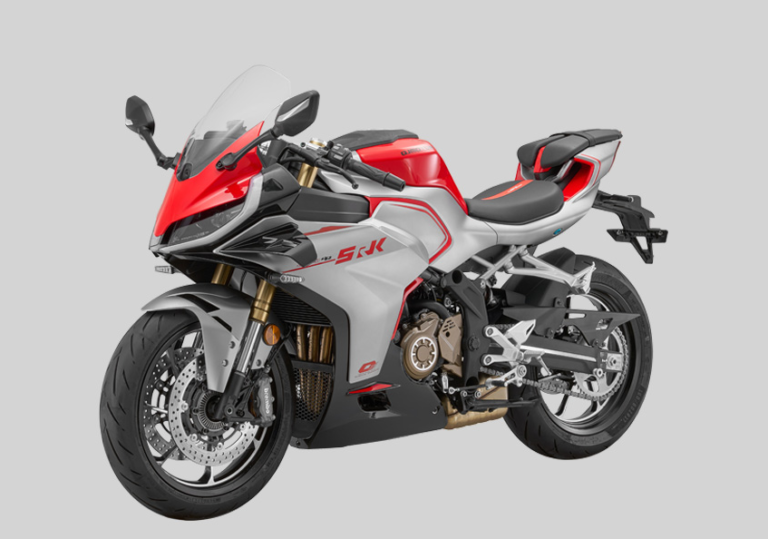
Super Sport
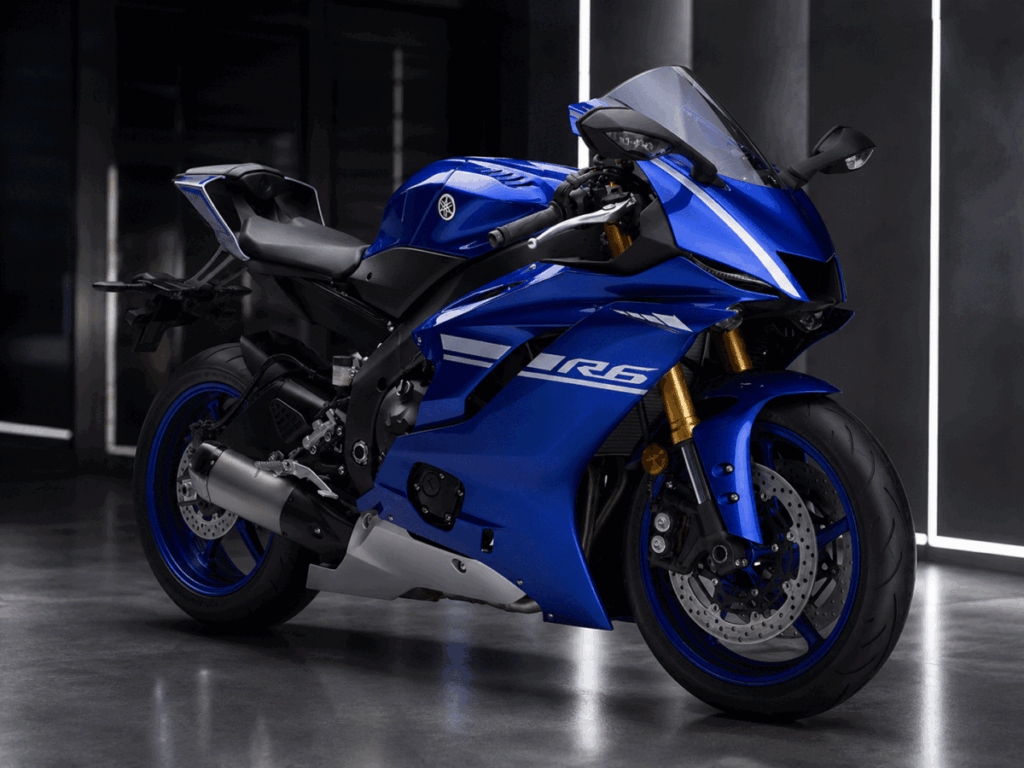
Why Avoid It?
Aggressive Riding Position
You lean forward dramatically. Puts strain on wrists, lower back, and neck. 30 minutes of riding leaves your wrists numb.
High-Revving Engine
Weak power at low RPMs. Beginners frequently stall when pulling away from stops.
Only Sub-500cc Is Beginner-Safe
600cc+ supersport bikes have too much power for new riders to control safely.
Expensive Repairs
Full fairings mean a simple drop can cost thousands in replacement parts.
Sub-500cc Is Acceptable:
Honda CBR500R, Yamaha R3, Kawasaki Ninja 400 are manageable for beginners. But they’re still not comfortable.
Warning:
600cc+ (CBR600RR, YZF-R6, Ninja ZX-6R, etc.) are absolutely not recommended for beginners. Dangerous in inexperienced hands.
Touring
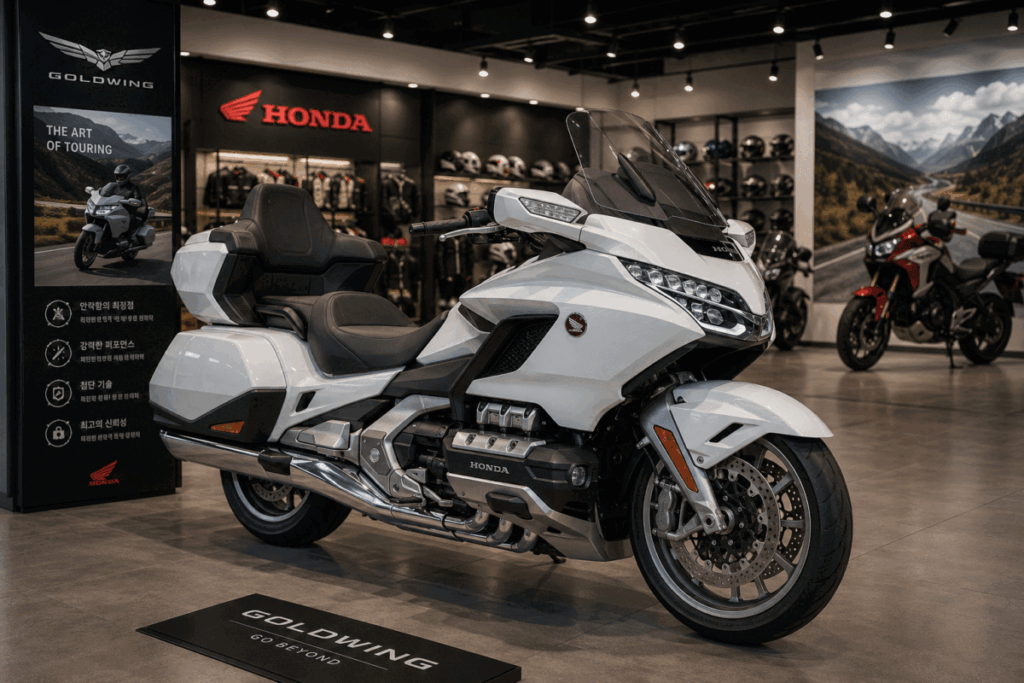
Why Avoid It?
Too Heavy
Over 660 lbs (300kg). You can’t pick it up alone if dropped.
Difficult Low-Speed Handling
Weight makes parking lots and tight streets challenging.
Expensive
Typically $20,000+. Too much investment for a first bike.
Save It for Later:
After 3+ years of riding experience and long-distance touring under your belt, then consider a touring bike.
How to Choose Displacement
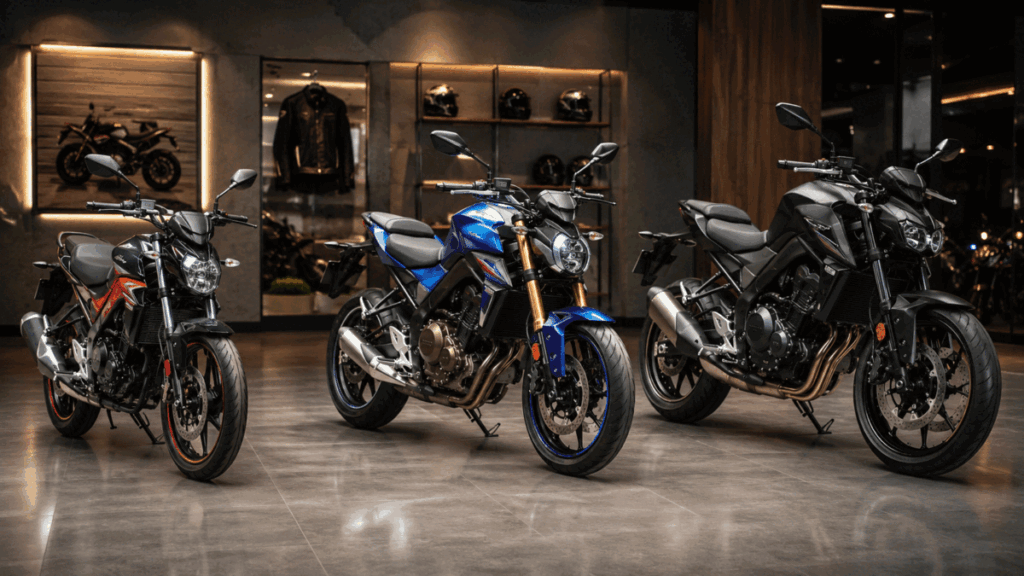
125-150cc (Small Displacement)
Advantages:
- Low insurance costs
- Excellent fuel economy (70+ mpg / 30+ km/L)
- Light weight
Disadvantages:
- Limited highway capability
- Struggles on hills
Recommended For:
Complete beginners + city-only riding
250-400cc (Mid-Size)
Advantages:
- Highway capable
- Appropriate power for beginners
- Most popular displacement range
Disadvantages:
- Higher insurance than 125cc
Recommended For:
Most beginners. Commuting + weekend touring combined.
500-750cc (Mid-Large)
Advantages:
- Relaxed power delivery
- Comfortable for long distances
- Stable on highways
Disadvantages:
- Heavier (over 440 lbs / 200kg)
- Higher insurance costs
Recommended For:
Larger riders + cruiser genre
Pre-Test Ride Checklist
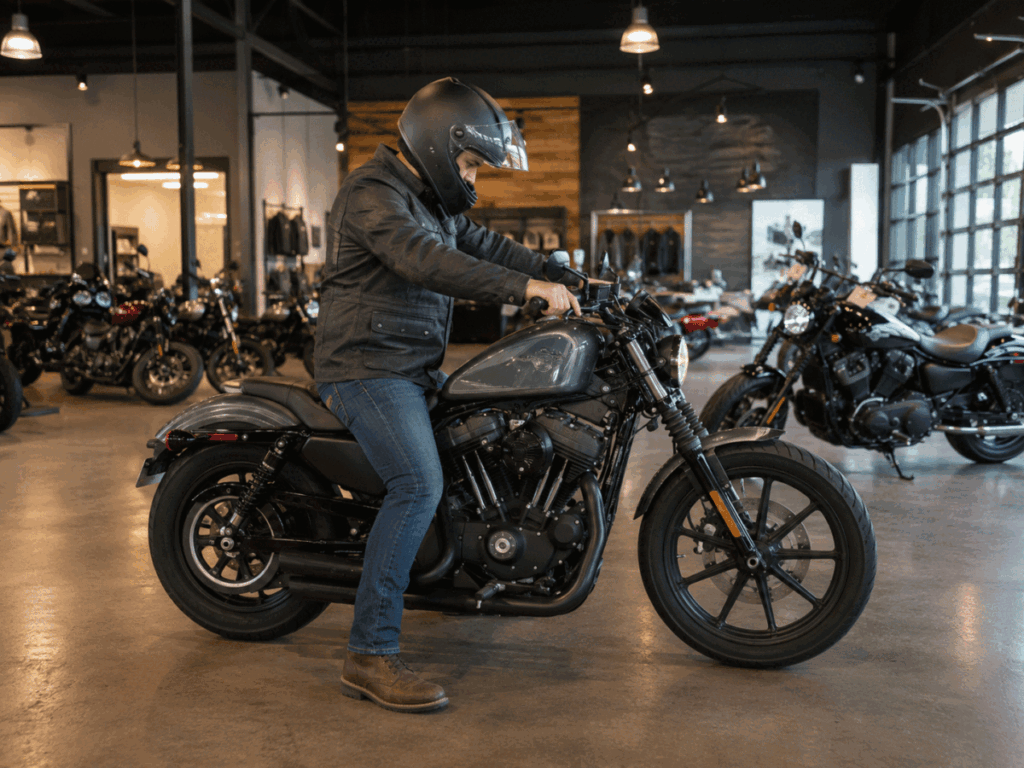
Before visiting the dealership, check these points.
Must Verify:
Can Your Feet Touch the Ground?
Both balls of your feet should touch at minimum. Only one foot touching means instability at stoplights.
Is the Handlebar Weight Manageable?
Turn the handlebars left and right. If it feels heavy, parking will be a struggle.
Can You Lift the Bike Upright?
Release the side stand and stand the bike up. If it’s a struggle, you won’t be able to pick it up if dropped.
Is the Seat Height Comfortable?
When seated, your knees shouldn’t be overly bent or your legs fully extended. Both cause fatigue on long rides.
Questions to Ask the Dealer:
When is the first oil change due?
Typically 600 miles (1,000km) or 1 month.
What does tire replacement cost?
Front and rear tire replacement typically costs $300-600.
Where’s the nearest service center?
Confirm there’s a shop near your home.
Conclusion: Genre First, Model Second
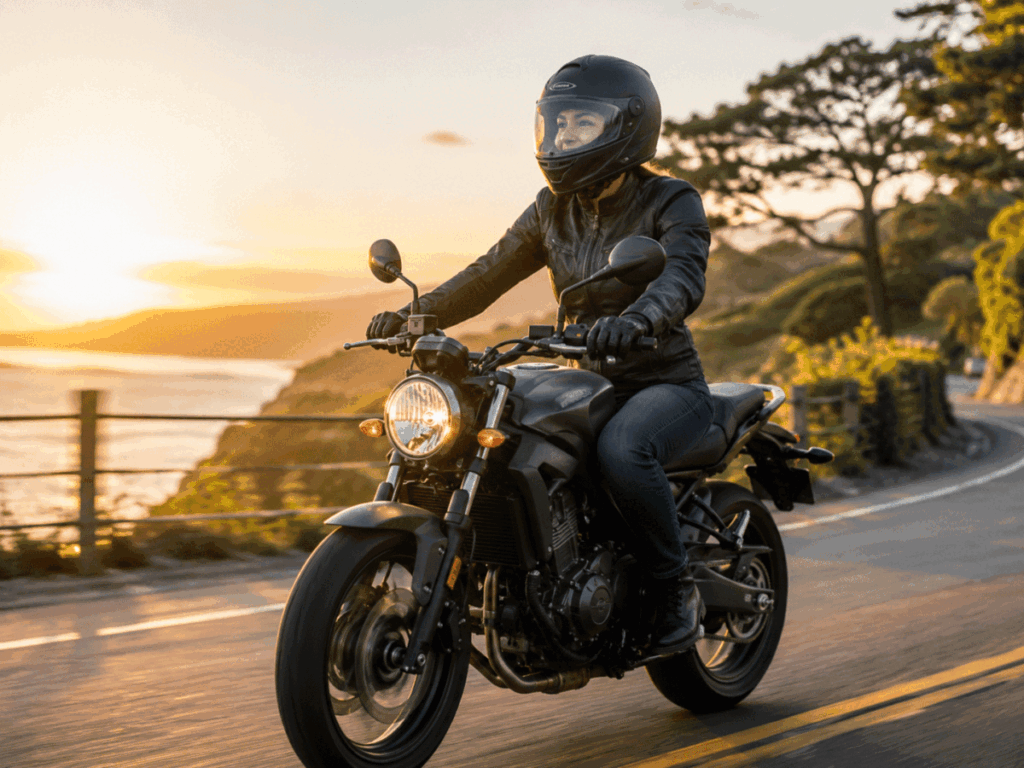
When choosing your first motorcycle, the sequence matters.
Intended Use → Genre → Model
Decide your primary use first, choose the genre that fits, then select a specific model. Following this order dramatically reduces buyer’s remorse.
And remember: your first bike is a “practice bike.”
After 1-2 years, your preferences will change. You might start with a cruiser and later crave a sport bike. You might begin with a naked bike and later want a dual-sport.
Trading up (or sideways) is natural.
Your first bike doesn’t need to be perfect. It just needs to be affordable to drop, cheap to maintain, and easy to resell. That’s enough.
For those reasons, Japanese manufacturers (Honda, Yamaha, Suzuki, Kawasaki) are recommended. They hold resale value well, have wide service networks, and rarely break down.
Get the genre right, and your first bike will be a success.
Related Posts:
History of the Scooter: From Post-War Italy to Modern Cities
External Link:
Visit Kawasaki for current model lineup